A12 Bionic Chip
Powered by Apple’s first 7 nm chipset featuring a hexa‑core CPU, a 4‑core GPU, and an advanced Neural Engine delivering up to 5 trillion operations per second. Blazing-fast, efficient performance underpins everything from gaming to portrait editing.
6.5″ Super Retina OLED Display
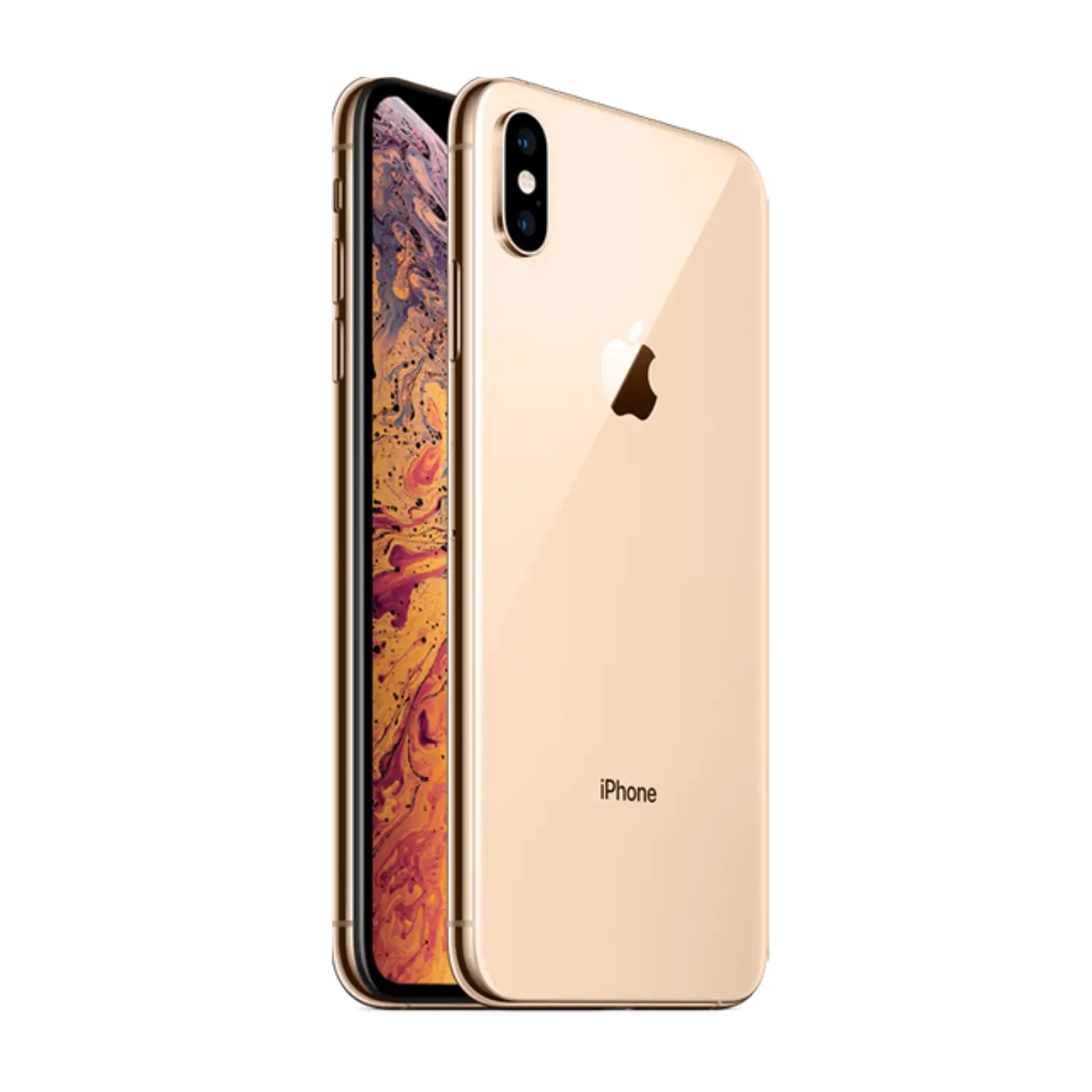
Enjoy breathtaking visuals on the largest iPhone screen yet—6.5″ with 2688×1242 resolution (~458 ppi), HDR10 and Dolby Vision support, True Tone and 3D Touch. Rated for 625 nits brightness for clear viewing in all lighting.
Advanced Dual 12 MP Camera System
Capture every moment with the wide f/1.8 and telephoto f/2.4 lenses—both featuring optical image stabilization, 2× optical zoom, Smart HDR, adjustable depth post-capture, and 4K video up to 60 fps with stereo sound recording.
7 MP TrueDepth Front Camera & Face ID
Secure, fast facial recognition combined with high-quality selfies in Portrait mode and HDR—all with natural bokeh and depth control. NV support for Animoji and advanced biometric protection.
Gesture-Based Navigation (No Home Button)
Seamless, intuitive navigation powered by iOS software—for gestures like swipe up to home, swipe across to switch apps, and dual‑SIM support with eSIM integration.
Wireless & Fast Charging Support
Equipped with Qi wireless charging and fast wired charging via Lightning (requires 18 W adapter and USB‑C cable sold separately), housed in robust glass and stainless steel build.
Durable Design & Audio Enhancements
IP68-rated against dust and water (up to 2 m for 30 minutes); stereo speakers provide enhanced audio immersion in a premium design weighing 208 g and measuring just 7.7 mm thick.
Battery & Performance
Powered by a 3,174 mAh battery, lasting approximately 1.5 hours longer than the iPhone X. Real-world usage lets many users comfortably reach bedtime with moderate use. Fast and wireless charging keep you powered throughout the day.
Software Support & Longevity
Introduced with iOS 12 and officially supported up through iOS 18, ensuring the XS Max remains viable and compatible in 2025—even though iOS 26 drops support for A12 devices.